

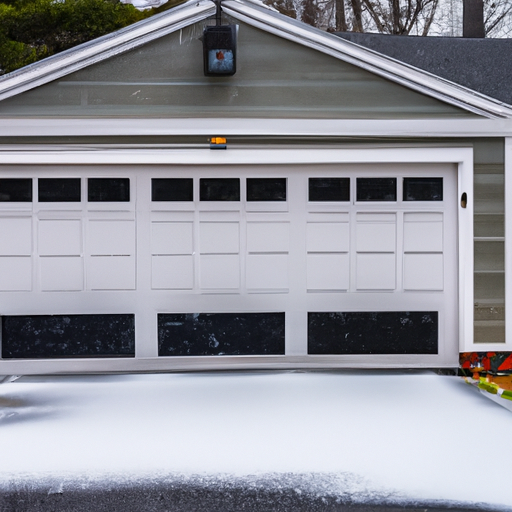
Seasonal Maintenance Tips for Garage Door Repair in MA
Belmont, MA homeowners see four distinct seasons, and that weather swing affects more than landscaping. Regular garage door repair attention keeps doors working, safe, and weatherproof year-round. This seasonal maintenance guide focuses on practical checks, small repairs you can do yourself, and when to call a professional.
Why seasonal checks matter
Cold snaps, sleet, salt spray, and spring humidity each stress parts of your opener and door differently. Scheduling basic care reduces emergency calls, extends component life, and improves safety. Use this short checklist each season to catch problems early.
Seasonal checklist
Below are simple tasks organized by season. Most take 15–30 minutes and require only basic tools and a flashlight.
Winter (freeze, ice, heavy snow)
- Inspect weatherstripping for cracks and gaps; replace brittle seals to prevent drafts and water intrusion.
- Check springs and cables visually for rust or fraying; do not attempt to adjust springs—call a pro for spring work.
- Lubricate rollers, hinges, and tracks with a garage-door specific lubricant to reduce creaks and freezing; avoid oil on tracks themselves.
- Clear snow and ice from the door perimeter and the threshold to prevent sealing issues when the door closes.
Spring (thaw, rain, pollen)
- Wash the door and check for paint damage, dents, or rust spots that invite corrosion.
- Test the opener auto-reverse and sensors for proper alignment; seasonal power surges can knock them out of sync.
- Inspect and tighten loose hardware—bolts on tracks and hinge screws can loosen after winter settling.
- Consider a visual balance check: disconnect the opener and lift the door halfway—if it drifts, springs may need adjustment by a technician.
Summer (heat, humidity)
- Watch for warped panels or seals from repeated hot-cold cycles; inspect seals for sun damage and brittleness.
- Clean tracks of debris—leaves and dust collect and wear rollers faster in dry months.
- Check remote batteries and keypad operation; warmer months are good for replacing weak batteries before fall.
Fall (cooling temps, leaves, salt prep)
- Inspect and tighten opener mountings before winter stress. Vibration over the year loosens fasteners.
- Plan for rust protection: sand small rust spots and apply primer and paint to prevent spread during salty conditions.
- Test door balance and safety features again; schedule professional maintenance if you notice sluggish motion or noisy travel.
Preventive care and smart upgrades
Small investments save money over time. Simple upgrades improve reliability and reduce the need for emergency garage door repair.
- Replace weather seals every 3–5 years depending on wear and Belmont winters.
- Install corrosion-resistant hardware (stainless or galvanized) if your home is near busy roads that use salt.
- Upgrade to quiet, direct-drive openers if your current unit is noisy—this reduces wear on rollers and tracks.
- Use a high-temperature grease or silicone lubricant on hinges and bearings to perform across season extremes.
DIY checks vs. when to call a pro
Knowing what you can safely do and when to call a technician is key. Homeowners help reduce calls for simple issues while avoiding dangerous tasks.
Do-it-yourself
- Visual inspections for dents, rust, and loose hardware.
- Lubricating moving parts and replacing weatherstripping.
- Clearing debris from tracks and testing safety sensors for alignment.
Call a professional
- Any spring or cable repair—springs store hazardous tension and require specialized tools and training.
- Opener motor failures or electrical problems beyond remote battery changes.
- Major panel damage, bent tracks, or persistent balance issues that indicate structural problems.
When you need expert service or scheduled tune-ups, see our full list of services for residential care and emergency response https://garagedoors-belmont.com/services.
Quick monthly checklist
Keep this one-page checklist on your fridge or near the breaker panel so you remember seasonal tasks.
- Operate the door and listen for grinding—note the location and time of the noise.
- Test auto-reverse by placing a 2×4 on the threshold; the door should reverse on contact.
- Inspect seals and hinges; tighten visible loose screws.
- Wipe and lubricate rollers and hinges; avoid over-applying lubricant to tracks.
Costs, timelines, and local considerations
In Belmont, MA, winter damage and spring storms are the most common reasons homeowners call for garage door repair. Typical service visits for inspection and tune-up take 45–90 minutes. Common local cost ranges (subject to inspection):
- Tune-up and lubrication: low to mid-range flat fee.
- Spring replacement: mid to higher range, varies by spring type and door weight.
- Opener replacement: depends on drive type and features—belt drive systems command a premium for quiet operation.
For seasonal articles, maintenance tips, and deeper how-to pieces, visit our blog for step-by-step guides and local updates: https://garagedoors-belmont.com/blog.
Emergency signs: call now
Call a technician immediately if you notice sudden sagging, loud snaps, visible cable detachment, or the door drops while closing. For urgent scheduling or same-day service, contact our team directly at the number below or use the contact page to request a callback: https://garagedoors-belmont.com/contact.
Final notes for Belmont homeowners
Regular seasonal maintenance reduces the need for urgent garage door repair and protects your investment. Keep a simple log of inspections and repairs so you and future technicians have a service history. With the right care—washing, lubrication, and timely professional repairs—your garage doors will operate reliably through every MA season.
Frequently Asked Questions
How often should I schedule garage door repair or maintenance in Belmont, MA?
Plan a professional inspection once a year and do basic checks seasonally—after winter and before the first heavy snow. Annual inspections catch spring tension issues and opener wear common in New England.
Does cold weather affect garage door springs or openers more in Belmont?
Yes. Freezing temperatures make metal less flexible and can accelerate spring wear and opener strain. Have springs and the opener checked before winter; a worn spring in cold weather is more likely to break.
What price range should I expect for spring replacement in MA?
Costs vary by spring type and door weight. In Belmont, expect a mid-range fee for common torsion springs and higher for heavy-duty or extension springs. A technician will provide an on-site estimate after inspection.
Do garage door repairs require permits in Belmont?
Most minor repairs don’t need permits. Major structural changes or electrical work tied to a new opener may require permits—check Belmont building department rules or ask your technician to advise before starting work.
Are warranties common for parts and labor here?
Yes. Manufacturers typically cover springs and openers under their parts warranties; reputable local companies offer labor warranties for repairs. Ask for written warranty details before work begins.
Helpful local resources in Belmont, MA
- Garage Door Repair Boston
- Garage Door Repair Cambridge
- Garage Door Repair Newton
- Garage Door Repair Lexington
- Garage Door Repair Wellesley
- Garage Door Repair Brookline
- Garage Door Repair Somerville
- Garage Door Repair Burlington
- Garage Door Repair Andover
- Garage Door Repair Weston
- Garage Door Repair Belmont
- Garage Door Repair Westwood
- Garage Door Repair Sharon
- Garage Door Repair Needham
- Garage Door Repair Concord
- Garage Door Repair Hingham
- Garage Door Repair Scituate
- Garage Door Repair Marblehead
- Garage Door Repair Natick
- Garage Door Repair Milton
- Garage Door Repair Acton
- Garage Door Repair Medfield
- Garage Door Repair Sudbury
- Garage Door Repair Wayland
- Garage Door Repair Hanover
- Garage Door Repair Tewksbury
- Garage Door Repair Carlisle
- Garage Door Repair Dover
- Garage Door Repair Hopkinton

