

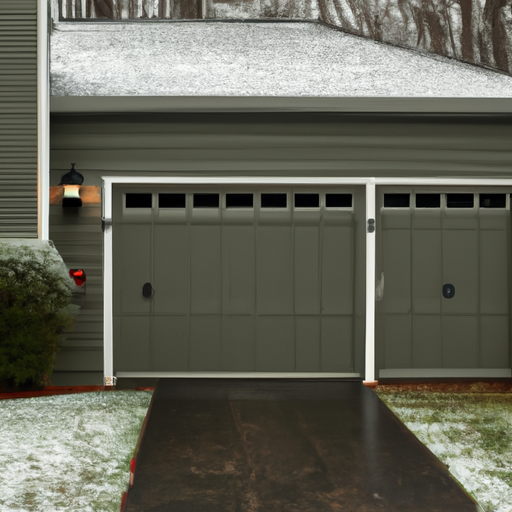
Homeowners in Belmont, MA face a specific mix of coastal humidity, freeze-thaw cycles, and occasional heavy snow. Choosing materials for garage door repair matters here: the wrong selection shortens service life, raises energy bills, and increases maintenance. This guide clarifies common options and practical trade-offs so you get durable, weather-appropriate results.
Why material choice matters for Belmont weather
Belmont’s climate tests finishes and cores. For local garage door repair projects, consider corrosion resistance, insulation value, and how a material handles salt air from coastal winds. Proper material selection reduces calls for repeat repairs and improves performance of your opener and tracks.
Key local concerns when planning garage door repair include moisture control to limit rust, materials that resist warping in humidity, and insulation that keeps the attached garage from becoming a thermal sink. If you want deeper reading on seasonal maintenance and local case studies, see our blog.
Common materials: pros, cons, and local fit
Steel
Steel is the most common choice for Belmont homes because it balances cost, strength, and low maintenance. Galvanized or stainless finishes add corrosion resistance, helpful near coastal areas. Steel doors pair well with high-quality insulation cores for energy efficiency.
- Pros: strong, affordable, widely available for garage door repair parts.
- Cons: cheaper paints can chip; untreated steel can corrode without proper finish.
- Best for: homeowners who want a durable, low-maintenance option that works with modern openers.
Wood
Wood doors offer a classic look and can be repaired or custom-refinished during a garage door repair. In Belmont’s climate, wood requires routine sealing and periodic repainting to prevent rot and warping.
- Pros: aesthetic appeal, custom profiles, natural insulating properties.
- Cons: needs regular upkeep; higher long-term maintenance cost in humid seasons.
Aluminum
Aluminum is lightweight and resistive to rust, making it suitable for corrosive environments. However, thin aluminum panels dent more easily than steel, which may lead to more frequent cosmetic repairs.
- Pros: resists rust, lighter weight means less strain on opener.
- Cons: lower impact resistance; dents may be more visible in thin-gauge models.
Composite and Fiberglass
Modern composite doors mimic wood grain without the rot and warping. Fiberglass holds paint well and resists moisture. For garage door repair in Belmont, composite materials offer an attractive middle ground with lower maintenance.
- Pros: low maintenance, good for humid and salt-affected areas, available insulated cores.
- Cons: can fade in strong sun; repair techniques differ from metal or wood.
Insulation and cores: match R-value to your use
An insulated door reduces energy loss and moderates garage temperature swings. R-values for residential garage doors typically range from R-6 to R-18. Choose a higher R-value if your garage is heated, used for workshops, or sits under living spaces.
During many garage door repair jobs we recommend closed-cell foam or polyurethane cores for Belmont homes because they resist moisture absorption better than fiberglass batting.
Practical steps to choose materials for repair
Follow a simple decision path to narrow options and keep costs reasonable.
- Assess the damage: If panels, tracks, or springs are the issue, determine whether a material swap is required or if targeted repairs suffice.
- Match style: Choose a material that fits your home’s architectural style and local HOA guidelines.
- Consider lifecycle cost: Factor in maintenance, repainting, and potential corrosion repairs when comparing upfront prices.
- Check insulation needs: If the garage affects living spaces above or beside it, increase R-value during repair for better year-round comfort.
- Ask about warranties: Materials and workmanship warranties differ—get terms in writing before you approve any garage door repair estimate.
If you prefer a professional assessment, our Belmont residential service team provides clear recommendations and transparent pricing; learn more about our full offerings on our services page.
Budget, timeline, and local regulations
Typical garage door repair jobs in Belmont range from a quick hardware swap to full-panel replacements. Expect a small repair (spring, sensor, or cable) to be completed the same day. Panel or full-door replacements often require 1–3 days depending on custom finishes or paint curing times.
Permits are rarely required for simple part replacements, but if a repair involves structural changes to framing or electrical work for a new opener, check with the Town of Belmont building department. Ask your contractor to confirm permits or include permit handling in the scope.
Hiring a local pro: what to request
When you contact a contractor for garage door repair in MA, ask for:
- Specific material recommendations for Belmont’s climate.
- Samples or photos of previously completed local jobs.
- Written quotes that separate labor, parts, and any disposal fees.
- Details on warranty coverage for both materials and workmanship.
Ready to discuss a repair or material swap? Contact our local team directly to schedule an inspection or get a written estimate: contact us.
Thoughtful material selection during a garage door repair reduces future service calls and preserves curb appeal. For Belmont homeowners the right balance of corrosion resistance, insulation, and finish durability keeps returns on your investment high.
Frequently Asked Questions
Q: How does Belmont weather affect my choice during a garage door repair?
A: Humidity and freeze-thaw cycles increase the risk of corrosion and warping. Choose galvanized or composite materials and closed-cell insulation to resist moisture and temperature swings in Belmont.
Q: What is a realistic timeline for a material-based repair in Belmont?
A: Simple hardware repairs are often same-day. Replacing panels or installing a new door typically takes 1–3 days; custom finishes or paint drying can extend that by a day.
Q: What price range should Belmont homeowners expect for common repairs?
A: Minor repairs (springs, cables, sensors) usually run at the lower end of service rates. Panel replacements or new doors vary widely—budget for $800–$3,000 depending on material, insulation, and finish. Get a written estimate before work begins.
Q: Do I need a permit in Belmont for garage door repairs involving structural changes?
A: Permits are typically required for structural alterations or new electrical circuits. For simple part swaps and panel replacements, permits are usually not needed. Verify with the Town of Belmont building department or request that your contractor confirm permit requirements.
Q: What warranties should I request on a repair job?
A: Ask for separate warranties on parts and labor. Material manufacturers often provide limited warranties; ensure the contractor’s workmanship warranty covers at least 90 days to one year depending on the scope.
Helpful local resources in Belmont, MA
- Garage Door Repair Boston
- Garage Door Repair Cambridge
- Garage Door Repair Newton
- Garage Door Repair Lexington
- Garage Door Repair Wellesley
- Garage Door Repair Brookline
- Garage Door Repair Somerville
- Garage Door Repair Burlington
- Garage Door Repair Andover
- Garage Door Repair Weston
- Garage Door Repair Belmont
- Garage Door Repair Westwood
- Garage Door Repair Sharon
- Garage Door Repair Needham
- Garage Door Repair Concord
- Garage Door Repair Hingham
- Garage Door Repair Scituate
- Garage Door Repair Marblehead
- Garage Door Repair Natick
- Garage Door Repair Milton
- Garage Door Repair Acton
- Garage Door Repair Medfield
- Garage Door Repair Sudbury
- Garage Door Repair Wayland
- Garage Door Repair Hanover
- Garage Door Repair Tewksbury
- Garage Door Repair Carlisle
- Garage Door Repair Dover
- Garage Door Repair Hopkinton
- Garage Door Repair Framingham

